
Biometric Privacy Claims for Illinois Workers
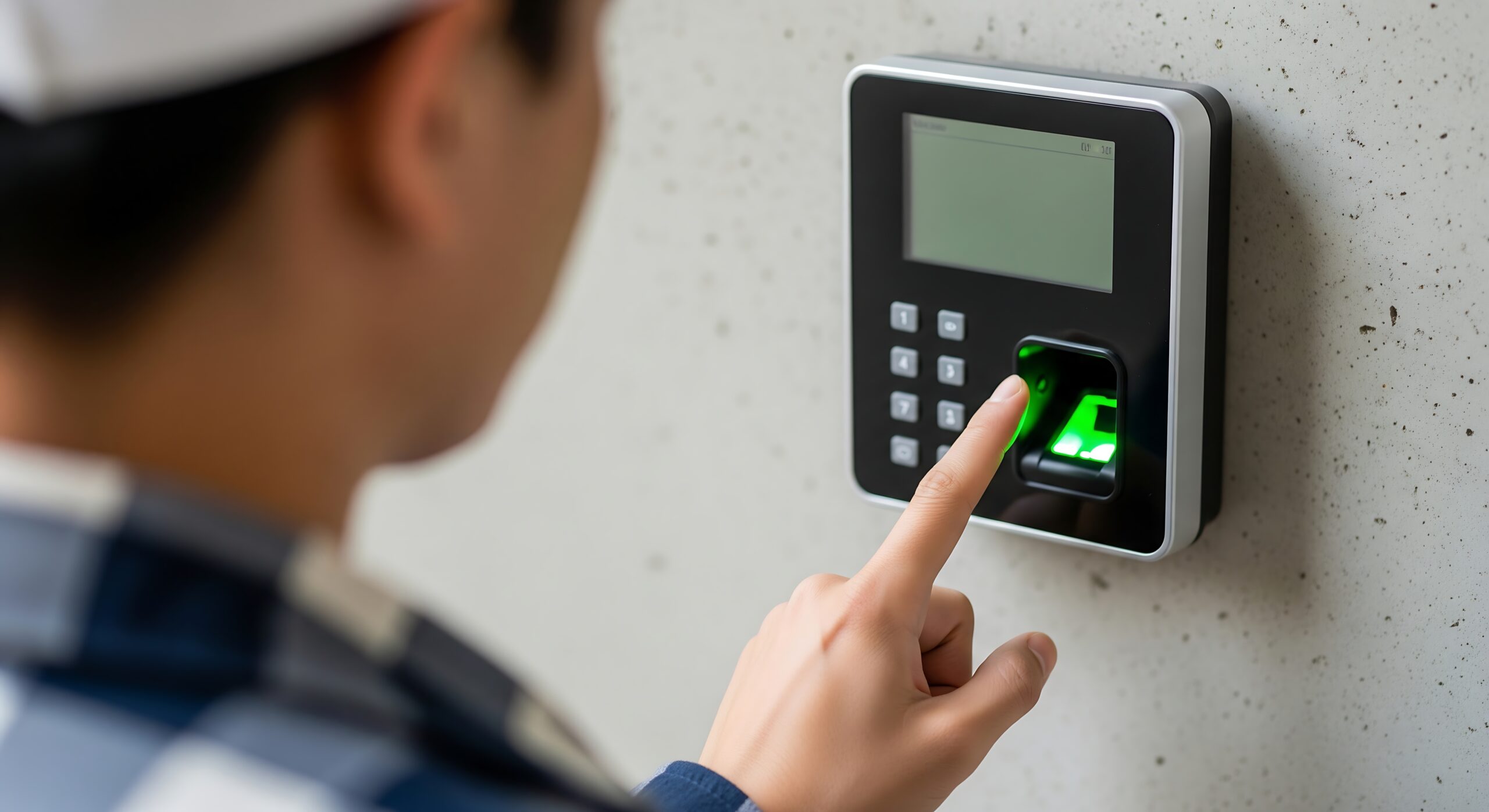
Fingerprints, face scans, hand geometry, and voiceprints show up in more workplaces each year. Employers use them to track time, control building access, streamline productivity, and manage logins. You may have had to scan a finger to clock in, scan your face to enter a worksite, or use a hand scan to access a device.
Illinois has one of the strongest biometric privacy laws in the country. It is called the Illinois Biometric Information Privacy Act, also known as BIPA. If your employer collected or used your biometric data without the required steps, you may have a claim.
Biometric privacy problems often happen alongside wage and hour problems. A broken timekeeping system can lead to unpaid overtime, off the clock work, or short paychecks. If biometric time clocks cost you time or pay, you should talk to a lawyer. Call 630-984-WORK(9675).

What Counts as Biometric Data at Work
Biometric identifiers and biometric information can include fingerprints, face geometry, hand scans, and similar measurements used to identify you. These identifiers are different from passwords or ID numbers because they are tied to your body. You cannot change them if they are exposed, shared, or misused. That is why Illinois law places strict limits on how employers collect, store, and keep this information.
Common workplace uses include
- Fingerprint time clocks
- Face scan clock in and clock out apps
- Hand scan systems for warehouse attendance
- Biometric entry systems for doors and job sites
- Fingerprint logins for devices and work apps

What Illinois Biometric Privacy Law Requires
BIPA controls how private employers collect, store, use, and share biometric identifiers and biometric information. These rules apply in many common workplace situations, including time clocks and access systems.
In many cases, an employer must do all of the following before collecting your biometric data:
- Tell you in writing that it is collecting or using your biometric data.
- Explain the specific purpose for the collection and how long it will keep the data.
- Get your written permission.
- Have a public written policy that explains how it stores biometric data and when it destroys it.
- Use reasonable safeguards to protect biometric data.
The details matter. Employers often roll out biometric systems quickly. Paperwork and policies often come later, or never.

How Biometric Systems Can Affect Your Pay
Biometric timekeeping systems tie directly to payroll. When the system fails, you may lose pay. When the system rounds time or blocks punches, you may lose minutes each shift. Those minutes add up.
Common pay issues connected to biometric time clocks include:
- Unpaid overtime when the system records fewer hours than you worked.
- Off the clock work when you must arrive early to scan in, wait in line, or fix missed punches.
- Shorted meal breaks when the system auto deducts time even if you worked.
- Illegal deductions tied to attendance points, missed scans, or time edits.
- Misclassification issues where an employer uses time edits to avoid paying overtime.
Illinois and federal wage laws require employers to pay you for all hours worked. They also require overtime pay in many cases, usually time and a half for hours over 40 in a workweek.
If a biometric timekeeping setup causes missing time or missing overtime, you may have wage claims along with biometric privacy claims.

Background Checks, Biometric Data, and Hiring Screens
Many Illinois employers use background checks during hiring, promotion, and reassignment decisions. Some also use biometric tools during onboarding, identity verification, or to control access after hire. These processes often happen close together and are sometimes handled by third party vendors.
Problems arise when an employer relies on a report or biometric process without following the required steps. A job offer may be delayed or pulled. A shift may be canceled. An assignment may be denied. In some cases a worker is terminated without receiving required notices or a chance to respond.
If you lost a job, a shift, or an assignment after a screening step, federal and Illinois law may apply. The specific forms you received, the timing of the decision, and who handled the process all matter.
We focus on employment law and background check cases across Illinois, with priority on the western Chicago suburbs, Tri-city area, Aurora, Elgin, and Naperville. If you believe a background check or a biometric process cost you a job or harmed your pay, call 630-984-WORK(9675).

When Employers Break the Rules in Background Check Cases
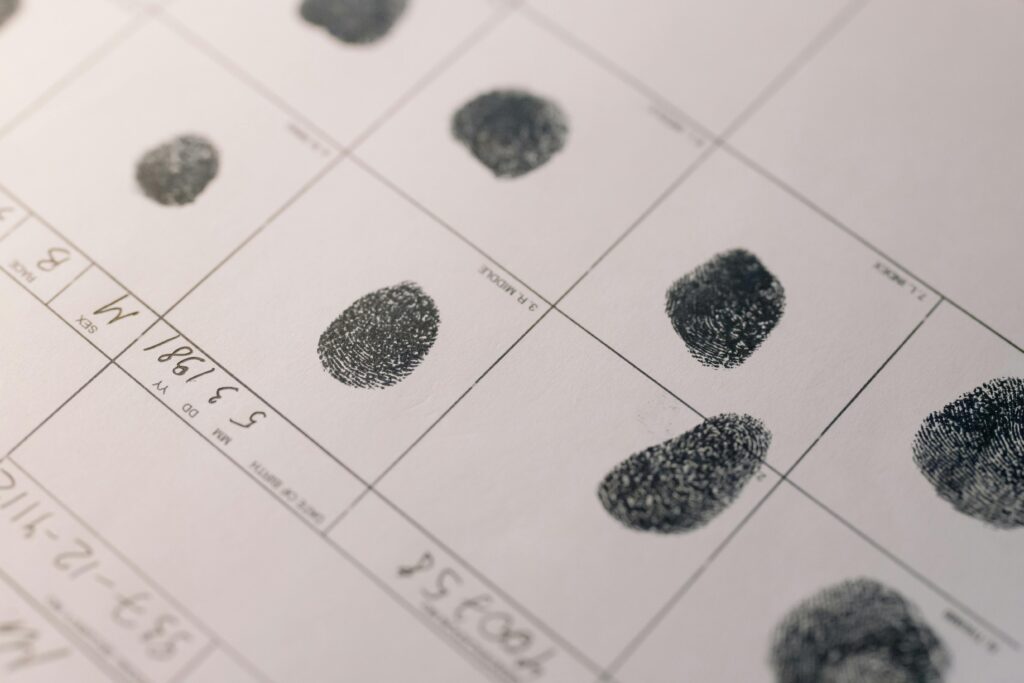
Federal law, including the Fair Credit Reporting Act, sets rules for many employment background checks. Illinois also has laws that can apply.
Background check violations often involve:
- No clear disclosure that a consumer report may be used.
- A disclosure buried inside other forms.
- No proper written permission.
- No required notices when an employer takes an adverse action.
- A job offer pulled after a report, without a real chance to review and respond.
- Wrong records tied to you, such as another person’s case, or old information that should not have been used.
If a background report led to termination, a rescinded job offer, or reduced hours, strict deadlines may apply. Some claims must be raised within a short window. Waiting too long can limit what evidence is available or bar the claim entirely. A prompt review helps preserve records, identify notice failures, and determine whether the employer followed the law.

Retaliation for Raising Pay or Biometric Privacy Concerns
Some workers raise concerns when a new biometric time clock appears, or when pay starts coming up short. Others ask why they must provide a fingerprint to keep a job.
Employers sometimes respond with threats, write ups, reduced hours, or termination. Retaliation can also show up as:
- Sudden schedule cuts.
- Harder assignments.
- Discipline for missed punches that the system caused.
- Pressure to sign forms without time to read them.
- The law can protect you when you raise good faith concerns about pay and workplace compliance. If you believe your employer punished you for questioning pay or biometric collection, talk to a lawyer.
- Deadlines and the Risk of Waiting
- Employment cases have strict time limits. Waiting can hurt your case.
Records disappear. Timekeeping data gets overwritten. Vendors change. Supervisors leave. If you plan to take action, it helps to start early.
If you think your employer collected biometric data without proper notice and written permission, or if your pay changed after a biometric time clock rollout, call 630-984-WORK(9675).

What to Gather Before You Call a Biometric Privacy Lawyer
Preparing a few basic items can help a biometric privacy lawyer quickly assess your rights under Illinois law. You do not need a complete file. Many workers only have partial records.
Helpful items include
- Any onboarding packet, policy, or consent form that mentions fingerprints, face scans, hand scans, or biometric time clocks
- All forms that you signed before providing your fingerprint or biometric information
- Screenshots or photos of the time clock system, scan screen, badge reader, or login prompt you were required to use
- Pay stubs that show edits, rounding, missing time, unpaid overtime, or unexplained deductions
- Schedules, texts, emails, or written rules about when and how you must clock in or out
- Any background check disclosures, notices, or emails tied to a job denial, rescinded offer, termination, or reduced hours
Do not delay your call if you no longer have access to these records. That often happens after termination or assignment removal. A lawyer can help obtain missing documents.

Biometric Privacy and Wage Questions Illinois Workers Ask
Do I have to give my fingerprint to keep my job?
It depends on the workplace and your role. Even when an employer can require a biometric time clock, it still must follow Illinois law on notice, written permission, and data handling. If you never received clear paperwork, you should ask a lawyer to review your situation.
What if the time clock misses punches or cuts minutes?
You may have wage and hour claims. Illinois and federal law require payment for all hours worked. Small time losses can grow into significant unpaid wages over months.
What if I worked for a staffing agency?
Biometric systems often appear at warehouses and large sites that use temp labor. More than one company may be involved. You still may have rights.
Can my employer share my biometric data with a vendor?
Sharing can create legal risk for an employer. The details depend on what happened and what documents exist. A lawyer can review the facts
I was denied a job after a background check. What should have happened?
Many employers must give clear disclosures and get written permission before ordering a report. If the employer plans to take adverse action based on the report, it often must provide required notices. If you never received them, you may have a claim.

Contact Our Team of Illinois Employment Lawyers Today!
If your employer used fingerprints or face scans at work, you have legal rights in Illinois. If your pay changed after a biometric time clock rollout, you may also have wage and hour claims.
We represent workers across Illinois, with priority on the western Chicago suburbs, including the Tri-city area, Aurora, Elgin, Naperville, and nearby communities in DuPage, Kane, Cook, Kendall, and Will counties.
Call 630-984-WORK(9675) to talk about your situation. If you prefer email, you can also reach us through the contact options on the site.